





20th July 2026
Fertility
Follow the latest news and developments in the world of fertility.
< View all our fertility news and posts
Women undergoing IVF in Essex and Hertfordshire are turning to a menu of fast-food rituals, lucky charms, and viral superstitions in a bid to improve their chances of successful fertility treatment, leading experts have warned.
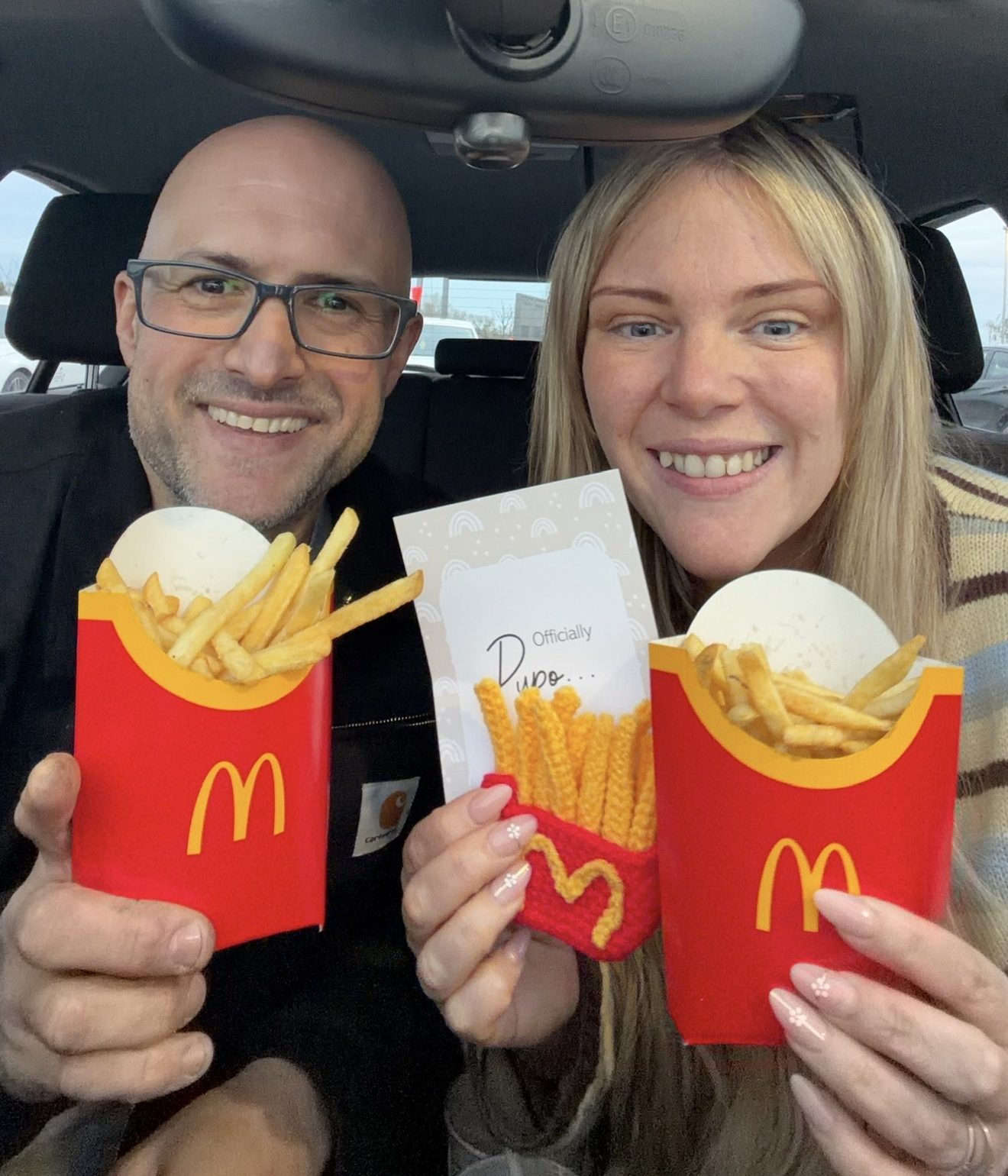
Analysis of TikTok, Instagram and online forums have shown an explosion in fertility myths and superstitions, with the most viral trend involving a trip directly from the operating theatre to a McDonald’s drive-thru.
Hashtags #IVFFries, #Embryotransfer, #Mcdonaldsfries, #TransferDay, and #IVFSuperstitions have gathered over 42 million cumulative views globally, with an estimated 150,000+ public posts across platforms featuring an image of them holding up their salty fries to the camera, in the car with their ultrasound embryo photograph. It is hoped that eating fries immediately after embryo transfer is the golden ticket to a successful implantation.
“The emotional toll of the two-week wait drives people to do things they have seen so many others from their community do, especially if it gives them more hope for success,” says Dr David Ogutu, medical director at Herts & Essex Fertility Centre, one of the region’s most established and successful fertility clinics. “While getting McDonalds fries is a harmless comfort food, social media is turning these superstitions into something you have to do for success.”
Dr Ogutu continues: “The sheer volume of content under these hashtags shows how lonely and out of control patients can feel during IVF. If going to a drive-thru brings a moment of joy and connection during an incredibly stressful time, we say go for it. But it’s vital patients aren’t hard on themselves and realise that a failed cycle is never because they forgot to buy fries or follow an online superstition. A successful cycle is down multiple embryologic and medical factors, not the Golden Arches.”
THE MYTHS VS. THE TRUTHS: DEBUNKING THE ‘STICKY’ MEMES
Myth 1: Eating McDonald’s fries after transfer helps the embryo implant
- Myth: Online forums claim the high sodium content absorbs excess fluid in the body, thickening the uterine lining and creating the perfect “sticky” environment for the embryo.
- The reality: The origin is unclear, possibly what started as a medical recommendation and has ended up in fertility folklore. Supposedly it is because the high salt content helps the body absorb excess fluid and ward off ovarian hyperstimulation syndrome (OHSS), which is a painful and serious complication where fluid leaks into the abdomen. The salt would help put fluid back into the blood stream; though there’s no scientific evidence behind it.
- Verdict: Eating salty fries doesn’t do anything medically to help an embryo attach to the uterus. But if this ritual is giving women hope and comfort at a time of high levels of stress, then keep eating the fries.
Myth 2: Eating a whole pineapple core makes your womb ‘receptive’
- Myth: The internet says women should cut a pineapple into five horizontal rings, core included and eat one slice a day from transfer day to thin the blood and boost blood flow to the uterus.
- The reality: This superstition stems from an enzyme called bromelain, which is found in high concentrations in the core of a pineapple. While bromelain acts as a mild anti-inflammatory agent, there is no clinical evidence that eating it improves implantation rates. But eating the core can irritate your stomach and cause severe mouth ulcers and acid reflux.
- Verdict: Eat pineapple if you like it, but you could just be left with a sore mouth.
The clinically proven alternative: If you want to reduce inflammation and support cell division, focus on clinically backed supplements like a high quality Coenzyme Q10 (CoQ10), Omega-3 fish oils and a methylated prenatal folic acid. They have clinical data backing their impact on egg and lining quality.
Myth 3: Wearing ‘lucky’ socks keeps the uterus warm
- Myth: Millions of embryo transfer posts feature women on the clinic table wearing matching, brightly coloured socks. Traditional Chinese medicine says “warm feet, warm womb”; the idea being that the body’s major energy channels linked to the kidney, liver, and spleen originate in the soles of the feet, so warming them warms the uterus.
- The reality: There is no scientific evidence that warm feet or special socks influence implantation or embryo transfer success; uterine blood flow is not affected by whether your feet are covered or cold. The uterus is deep inside the body’s core and its temperature and blood supply are regulated independently of surface skin temperature at the extremities; a warm sock doesn’t reach it. What warm socks can do is make a cold clinic room more comfortable, and reducing physical discomfort or anxiety in the moment is a real, if modest and non-uterine-specific, effect on how relaxed you feel.
- Verdict: Keep the lucky socks. There isn’t much science behind the tradition, but none of these small rituals will harm you, and comfort and a sense of control during a stressful procedure are legitimate benefits, even without any direct effect on implantation.
Myth 4: The pomegranate juice protocol
- Myth: Fertility influencers insist that drinking 8 oz of 100% pomegranate juice every day from the start of an IVF cycle until the day of embryo transfer acts as an internal super glue. Online forums claim it drastically thickens a thin uterine lining by flooding the body with nitric oxide.
- The reality: Pomegranate juice is a great nutritious choice, but it isn’t an instant fix. They are packed with powerful antioxidants and polyphenols, and they do naturally stimulate nitric oxide production, which helps dilate blood vessels and improve blood flow. However, drinking cartons of it right before a transfer will not fix a thin or unresponsive uterine lining. Also, shop-bought pomegranate juice is high in free sugars so drinking large amounts can raise insulin levels, which can trigger inflammation.
- Verdict: Enjoy a small glass or eat the seeds as a good way of getting antioxidants into your diet but treat it like a daily health habit rather than a medical necessity.
Myth 5: The acupuncture magic window
- Myth: Having acupuncture sessions immediately before and after embryo transfer can stop the uterus rejecting the embryo.
- The reality: Acupuncture can help by reducing stress, relaxes the central nervous system and enhancing uterine blood flow, with some studies showing modest benefits. However, the timings of the actual treatment don’t need to be rigid.
- Verdict: Recommended. If acupuncture helps you feel relaxed, it can be a valuable complementary therapy during IVF treatment. The key is that it should reduce stress, not add to it, so don’t feel pressured into squeezing in appointments if they end up causing more anxiety than benefit.
Myth 6: Beetroot juice for the win
- Myth: Many online forums recommend drinking a glass of bright red beetroot juice every day from embryo transfer until the pregnancy test as it thickens your uterine lining and forces the embryo to implant.
- The reality: There is real clinical[1] data after tracking hundreds of women undergoing embryo transfers. The group who drank the daily juice made of beetroot, watermelon, and ginger from transfer day until their pregnancy test saw their clinical pregnancy rates jump significantly compared to the control group. Beetroot is packed with natural nitrates so when you drink it, these get converted into nitric oxide, which is a powerful vasodilator, meaning it relaxes and widens your blood vessels. This increases the flow of oxygenated, nutrient-rich blood straight to your uterus, which supports a healthy, receptive endometrial lining. The watermelon added to the juice in the study provides L-citrulline (which also boosts nitric oxide), and the ginger acts as an anti-inflammatory to relax uterine muscles.
- Verdict: Of the popular IVF rituals, this is the one with actual randomized clinical data behind it. It is worth discussing with your doctor, but it’s early-stage evidence so not a guarantee and shouldn’t replace medical guidance.
For more information about IVF treatment, please book a consultation here.


