





22nd June 2026
Fertility
Follow the latest news and developments in the world of fertility.
< View all our fertility news and posts

When it comes to planning a family, being fully educated on your fertility and taking control of your own future is one of the most empowering steps you can take. Delaying motherhood has become increasingly common as women choose to focus on their careers, travel, financial stability, or finding the right partner. However, balancing these personal goals with our biology requires planning.
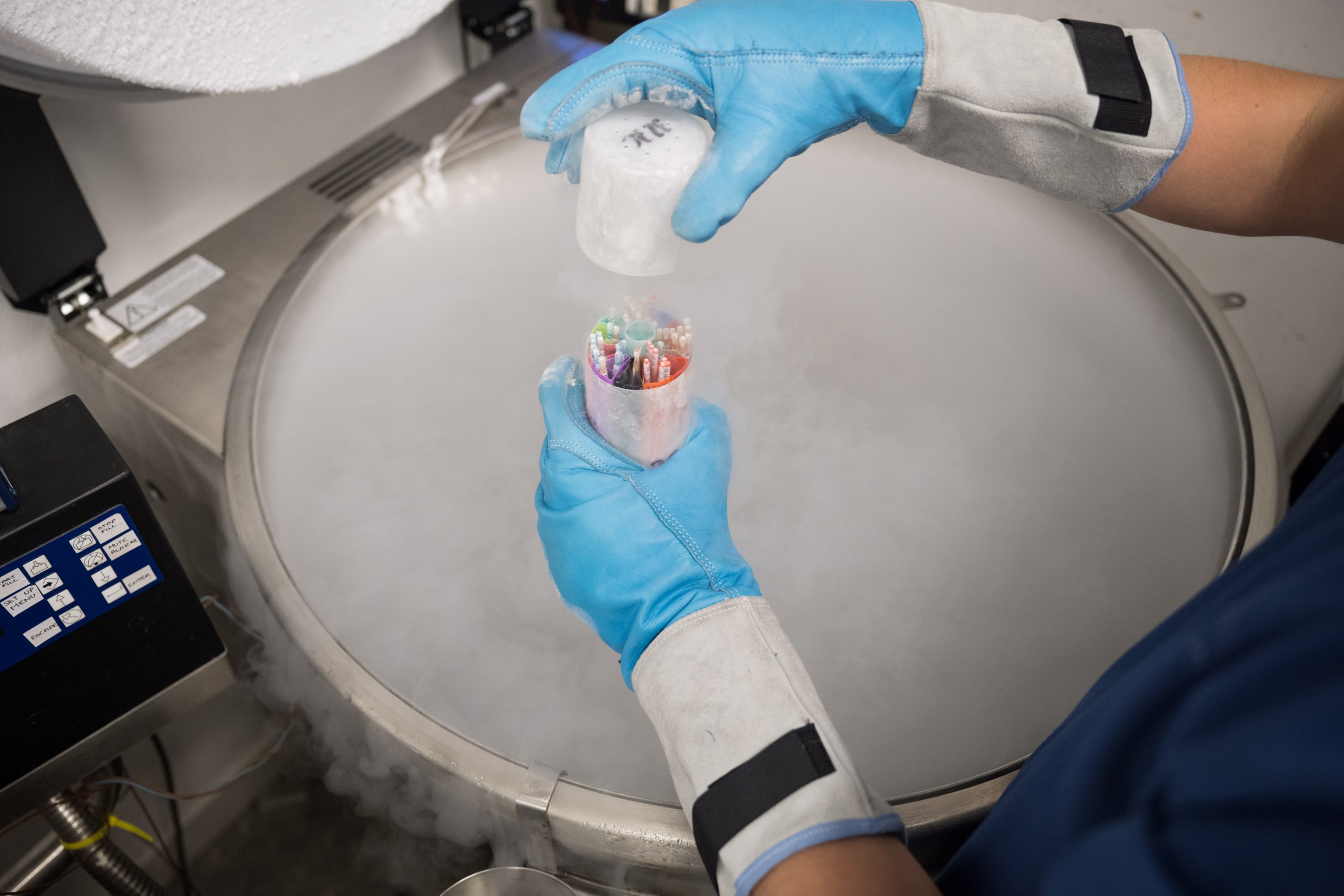
To ensure you still have high quality eggs available when you are finally ready to start a family, it is essential to effectively “freeze time.” Proactive egg freezing allows you to pursue your life goals today without sacrificing your chance of becoming a parent tomorrow.
If you’re in your 20s and children feel like a “maybe, someday” plan, leaving your reproductive future to chance isn’t a strategy. So here are five essential lessons on why fertility preservation is the ultimate tool for protecting your opportunities.
1. Biology doesn’t wait for your career goals
It is a harsh truth but one we can’t afford to ignore: your peak fertility window occurs in your mid-20s. From a clinical standpoint, this is when egg quality is at its absolute highest and chromosomal abnormalities are at their lowest.
By choosing to freeze your eggs in your mid-20s, you effectively “pause time” on their biological age. If you decide to thaw and use those eggs at age 38 or 40, they will still behave with the health and vitality of your 24-year-old self.
2. It provides ultimate peace of mind
We often think of egg freezing as a medical procedure, but for many women, it’s about having that reassurance you are in control. It eases the pressure of your 30s, so you don’t feel rushed into a relationship that isn’t right or forced to compromise on major career transitions out of fear of a biological deadline. It is a safeguard that grants you emotional reassurance and breathing room.
3. “Social egg freezing” is modern healthcare
The old stigma surrounding fertility preservation has vanished. “Social freezing” which is the practice of freezing eggs for lifestyle, financial, or career reasons, is now a standard term of proactive healthcare. It’s about having the same autonomy over your body that you have over your education or finances.
4. Knowledge starts with a 15-minute blood test
At Herts & Essex Fertility Centre, we recommend a simple Fertility Assessment, which relies on two key metrics:
- AMH Testing: A blood test measuring Anti-Müllerian Hormone to estimate your remaining egg supply (ovarian reserve).
- Antral Follicle Count (AFC): A routine ultrasound to view your active follicles in real-time.
Uncovering your unique data in your 20s gives you the power to make informed choices, rather than facing unexpected hurdles at 35 when egg counts decline more rapidly.
5. You are never too young to start the conversation
It’s time to take control of your fertility journey by looking at the data and making decisions based on your own life choices.
You don’t need to wait to find your life partner, be at the top of your career or have bought that house you have always dreamed of to take action.
Speak to a fertility specialist, understand your ovarian reserve, and take control of your timeline to ensure your future options remain yours.
Stop guessing. Take control of your future.
At Herts & Essex Fertility Centre, we don’t just offer advanced reproductive technology; we offer clarity. We specialise in personalised, proactive fertility preservation tailored to your lifestyle and your body.
If you are interested in egg freezing, you can book your Fertility Assessment today. Our experienced team is here to listen to your story and offer individual, tailored support.


